The Affordability Edition / Digital ExhibitionEnd Poverty Edmonton · Edmonton, Alberta
Edmonton skyline
Special Edition / Voices

Voices of Affordability

Seven creators. Fourteen photographs. Fourteen stories about what affordability looks like now and the future they imagine.
SEEREADLISTEN
Voices Editorial

Who gets to tell the story?

Seven Edmontonians living affordability challenges used photography to document what they see, feel and experience. Their photographs and stories move lived experience into public conversation.

Affordability can be measured. But systems are experienced by people. That is why End Poverty Edmonton chose Photovoice, a participatory approach that puts cameras, and importantly interpretation, into the hands of people living the issue being explored.

Creators decide what to photograph, what their images mean and what they want others to understand.

Read the full editorial

The Johns Hopkins Center for Health Equity describes Photovoice as a method that combines photography and narrative storytelling to capture lived experience, particularly among communities whose perspectives have historically been marginalized or underserved. The approach can help bring community experience into advocacy and policymaking.

Numbers tell us something important about affordability: rent, groceries, transportation, wages and household costs. But they do not tell us what it feels like to put something back in a grocery aisle, what unreliable transportation costs someone in time, or what stability and belonging might look like in the future. People can.

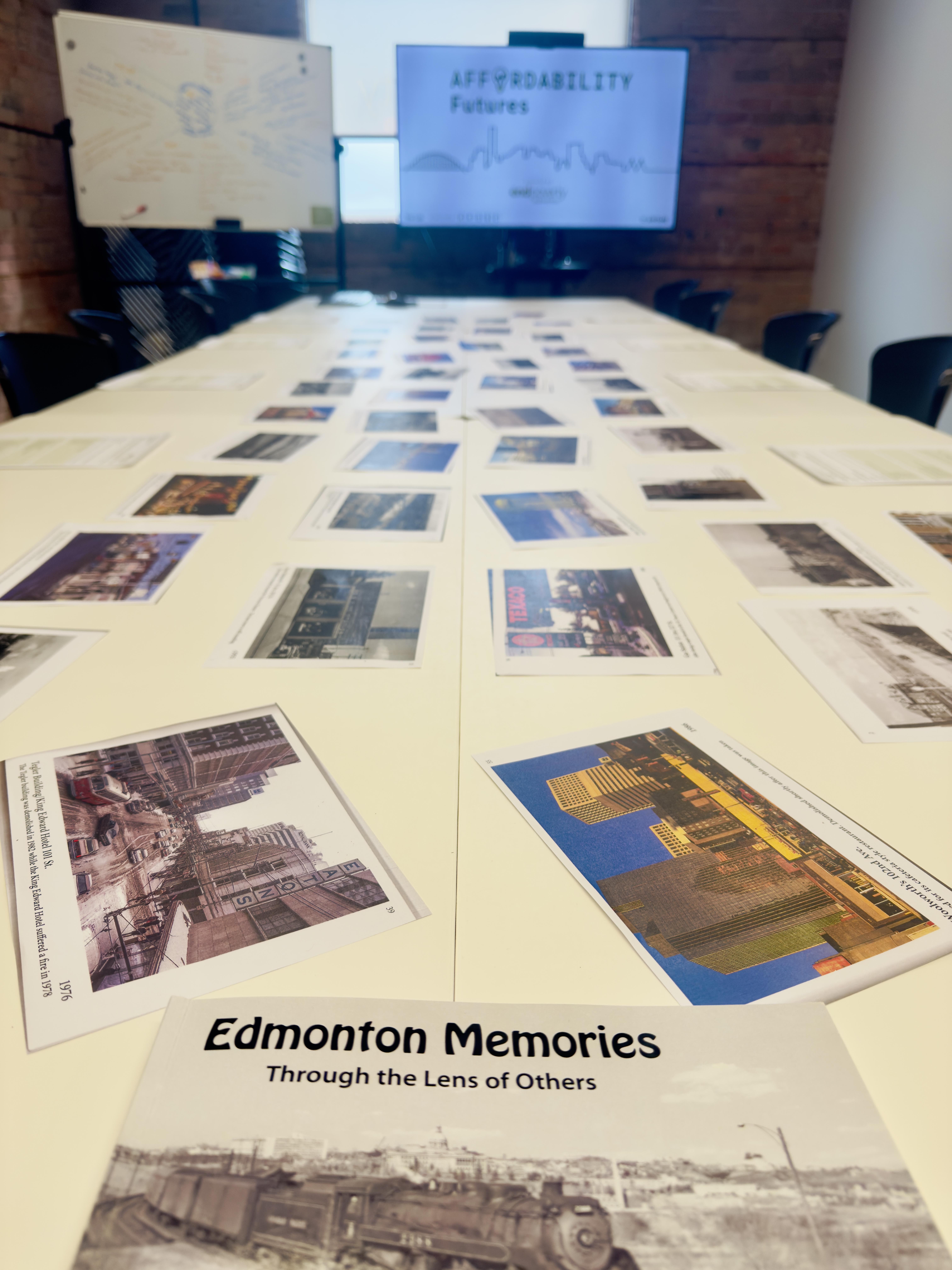
In the summer of 2026, seven Edmonton creators used photography to explore two questions: What does affordability look like now? And what could an affordable future look like? They photographed what mattered to them, reflected together, and wrote the stories that accompany their images.

Voices of Affordability is not the end of that process. It is where advocacy begins. If we want to build a more affordable Edmonton, lived experience cannot simply be something we collect. It needs to help shape the questions we ask, the ideas we test and the decisions we make next.

The people experiencing affordability should have a hand in defining what an affordable future looks like.

Photovoice methodology reference: Johns Hopkins Bloomberg School of Public Health · Center for Health Equity.

Join the conversation

The Future We Can Afford

New date & time!

4:30 to 7:30 PM

Honouring End Poverty Edmonton’s first 10 years, then experience what’s next. Explore an interactive exhibit of the past 10 years of poverty work to the affordability work happening now to building community wealth together. Venue to be announced soon. Appetizers and beverages provided. Free to attend.

RSVP
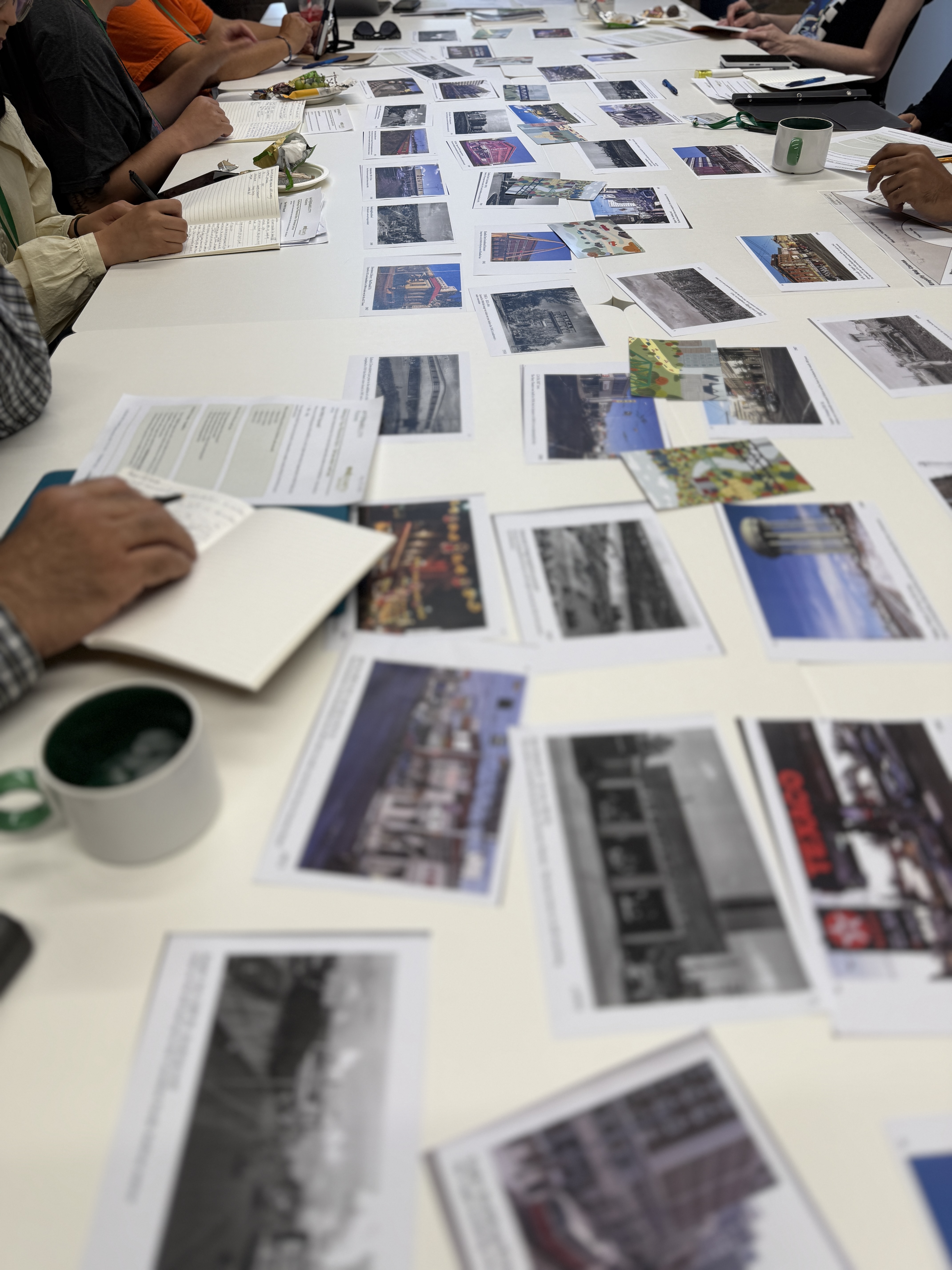
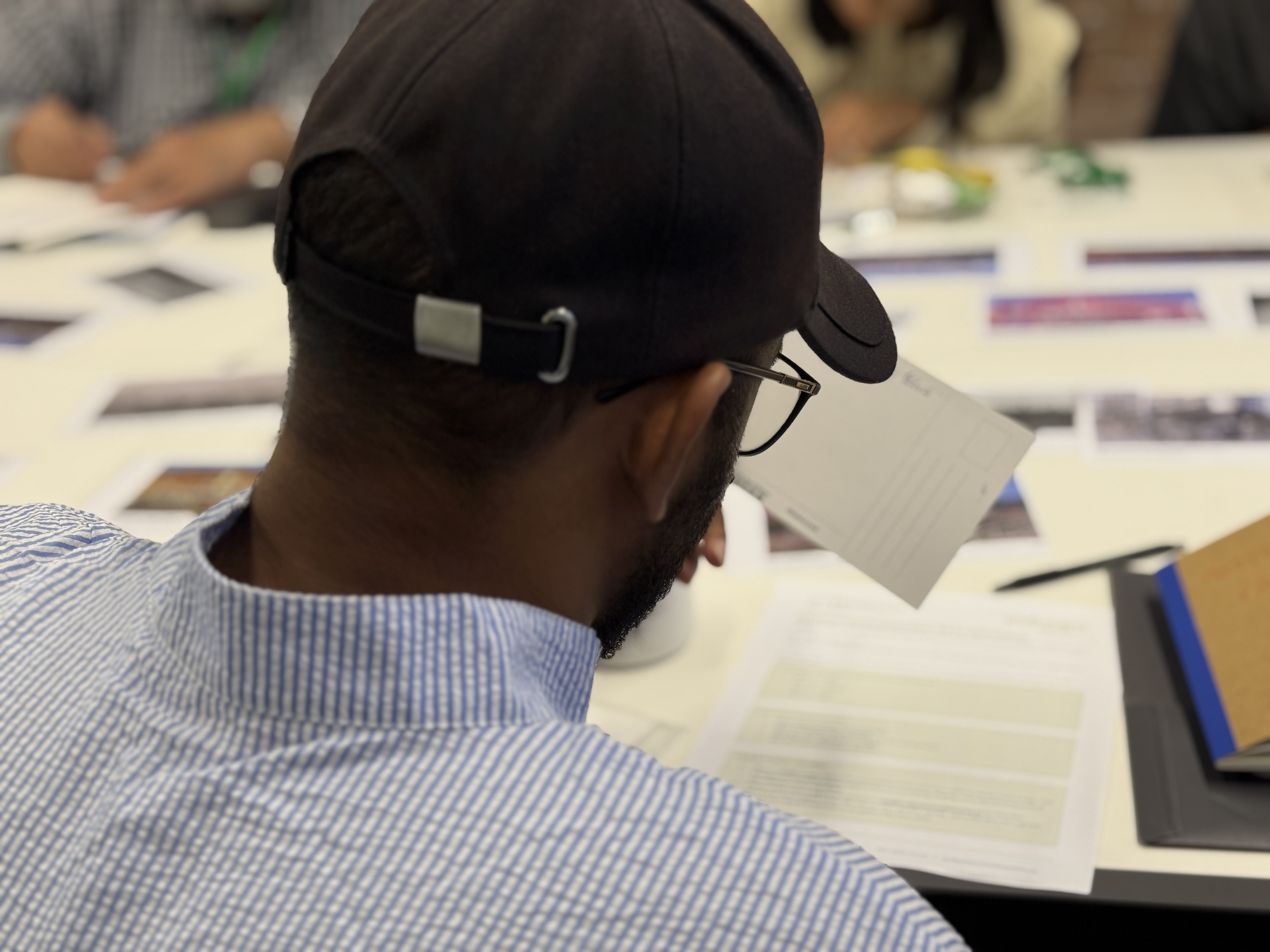
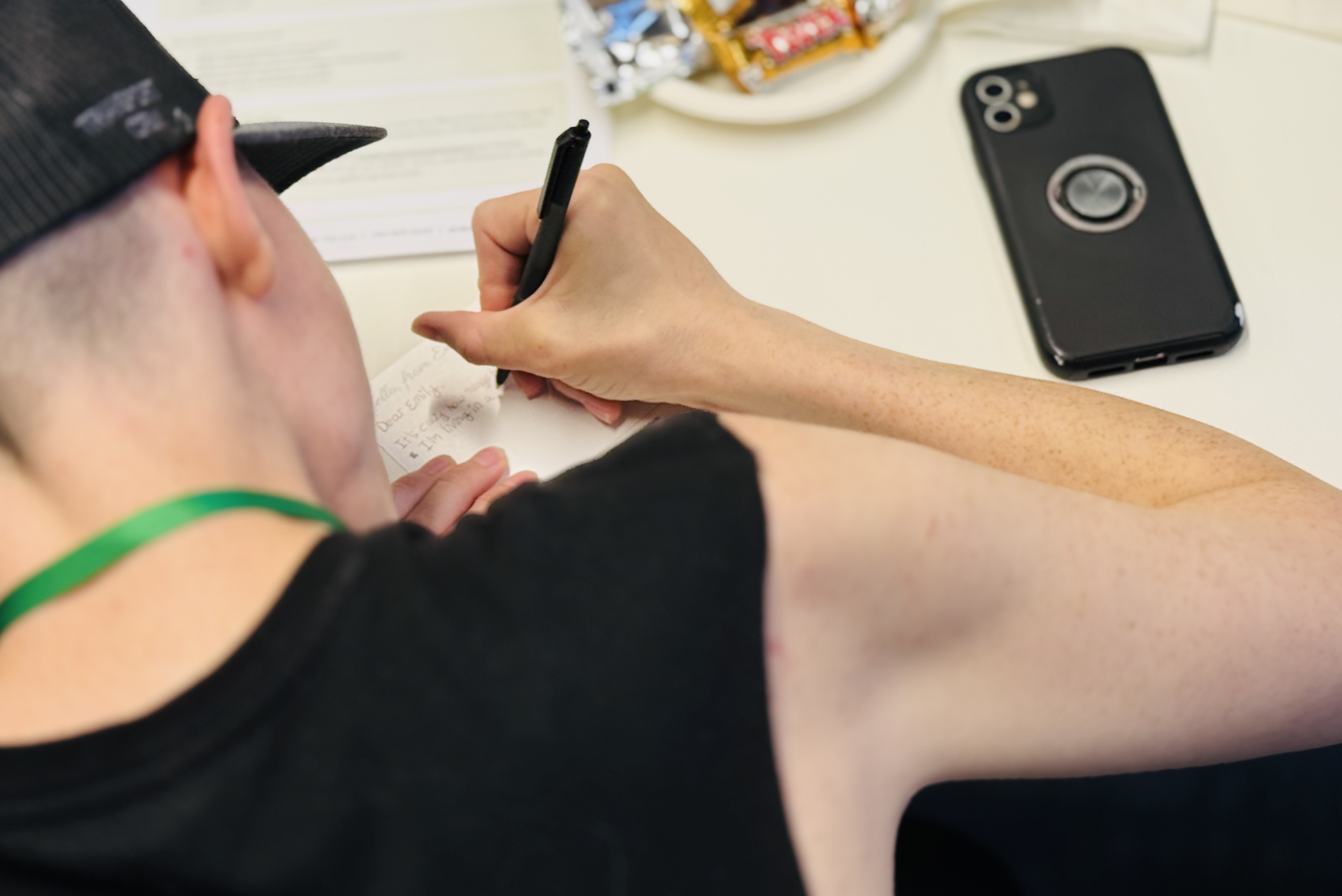
Photovoice creators reviewing photographs together
In Their Words

Meet the creators.

In the summer of 2026, seven Edmonton creators used photography to explore two questions: What does affordability look like now? And what could an affordable future look like? They photographed what mattered to them, reflected together, and wrote the stories that accompany their images.

Choose a creator to jump to their stories
Photovoice gatheringPhotovoice project detailPhotovoice project detail
Creator · they/them

Em

NOW / See · Read · Listen

Beyond The Fare

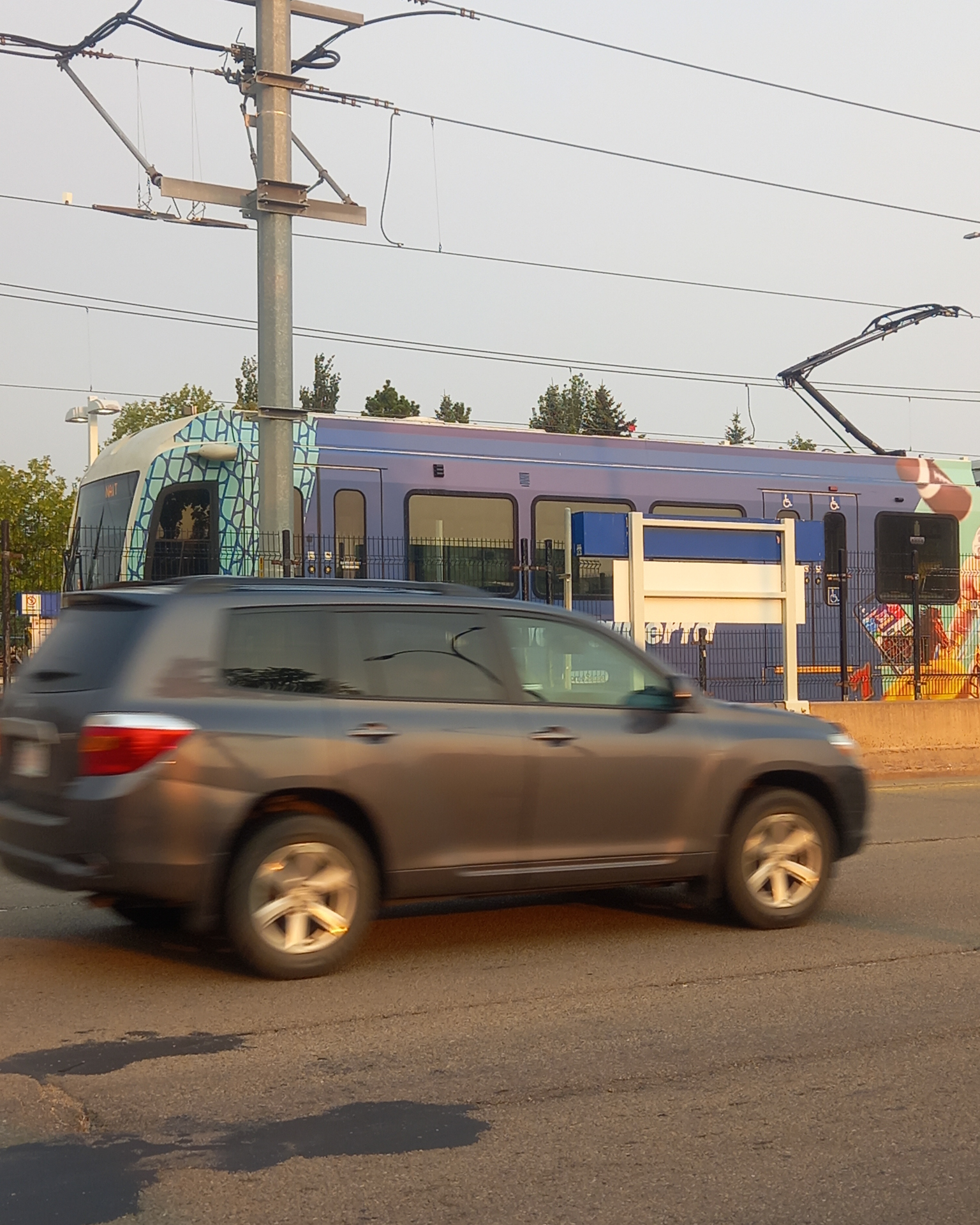
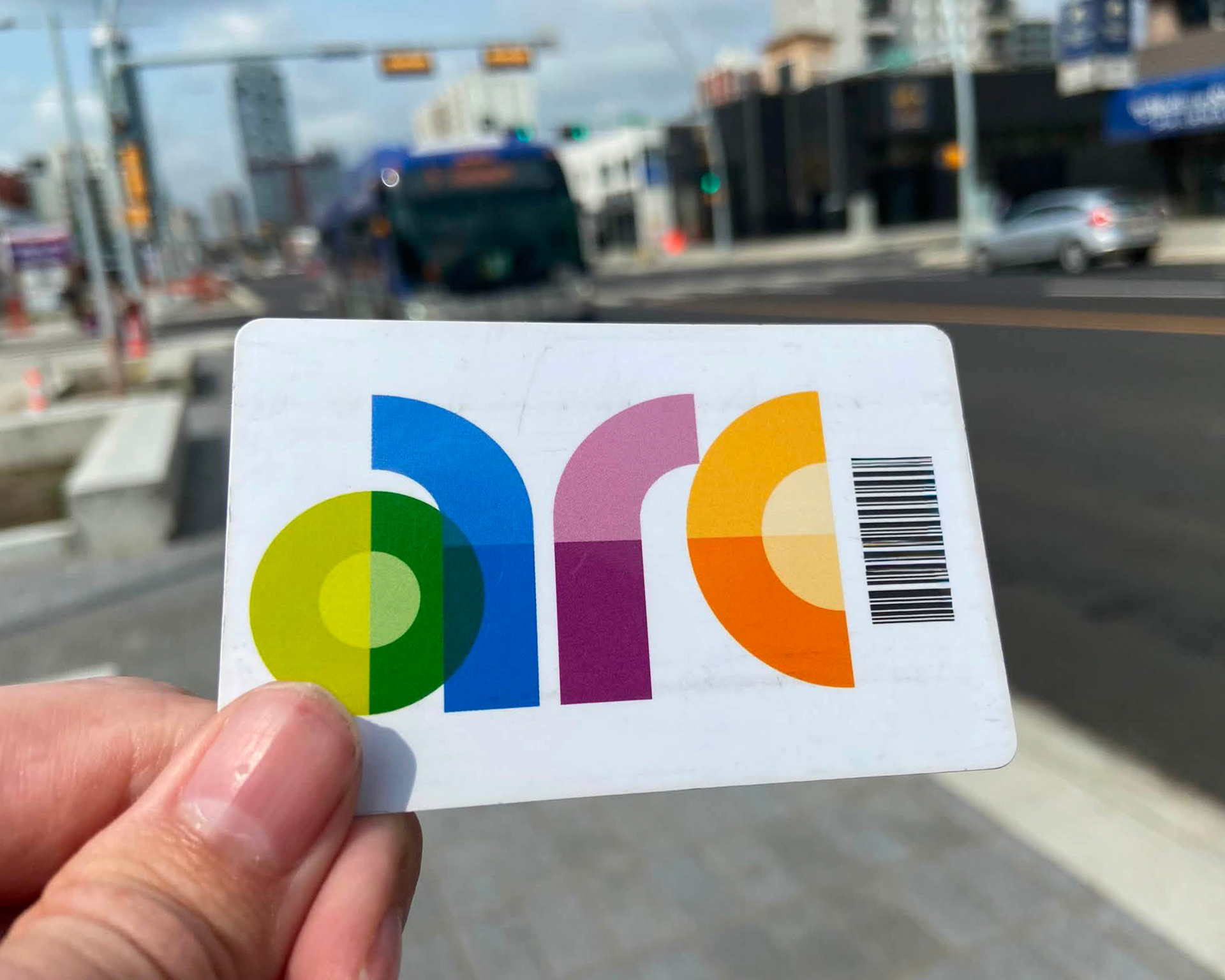
Taking transit has become increasingly difficult to navigate, not just with the ARC card, but the way the transit system is designed and administered.

Read their full story

Taking transit has become increasingly difficult to navigate, not just with the ARC card, but the way the transit system is designed and administered. Bus stops have been removed from more accessible locations, making walking distance to other stops longer. Wait times become longer, especially during winter.

Injuries and recovery are a main reason why I avoid leaving the house. I always feel anxious about walking on uneven ground or ice.

The ARC system requires you to change your password on your account every three months which is not only confusing but overwhelming. With the old system, you’d pay for a monthly pass and be good to go for that entire month, simply by showing the driver. It gave me peace of mind that it was one simple task, nothing more.

Now you must scan your card twice. Once when you board, and once again before you exit. There have been several occasions where I board the bus, go to scan my card, realize there’s no balance, so I have to go sit down on the bus, log into my ARC account, fill in the information that it requires, tap the amount I want to refill, and confirm everything.

This entire process makes me feel frustrated. It shouldn’t be this complex just to get from point A to point B.
Listen / NOWHear Em tell this story
FUTURE / See · Read · Listen

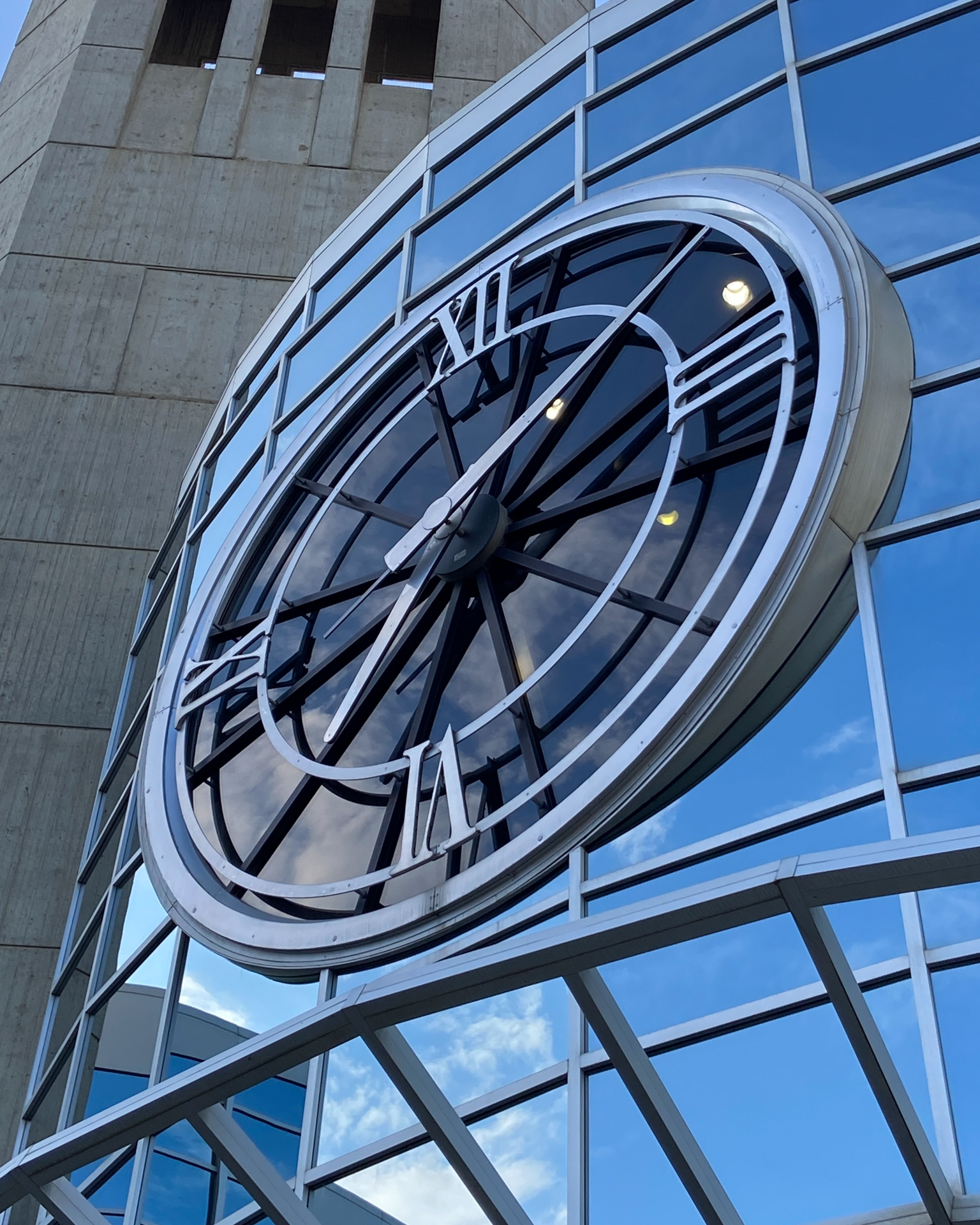
Time

Time. It’s something we all have, but what we can do with it can depend on what we can afford.

Read their full story

Time. It’s something we all have, but what we can do with it can depend on what we can afford.

Education is important for all walks of life. It shapes my worldview in the present and influences what I want to achieve in the future. I would hope to see a future where education is publicly funded regardless of financial circumstances.

This clock is located at MacEwan University, a place I hope to attend in the future. It represents the time I have spent working towards that goal, and the opportunities and experiences I hope to have once I get there.

Affordability is not only what’s in our wallets. It can also be about whether we have the time, resources, support and accessibility needed to take advantage of the opportunity. If those things are not available, something can be financially affordable but still feel inaccessible.

Listen / FUTUREHear Em tell this story
Creator · he/him

Abdulqader

NOW / See · Read

A Greasy Situation

I was surprised at the car dealership when I came for an oil change appointment.

Read their full story

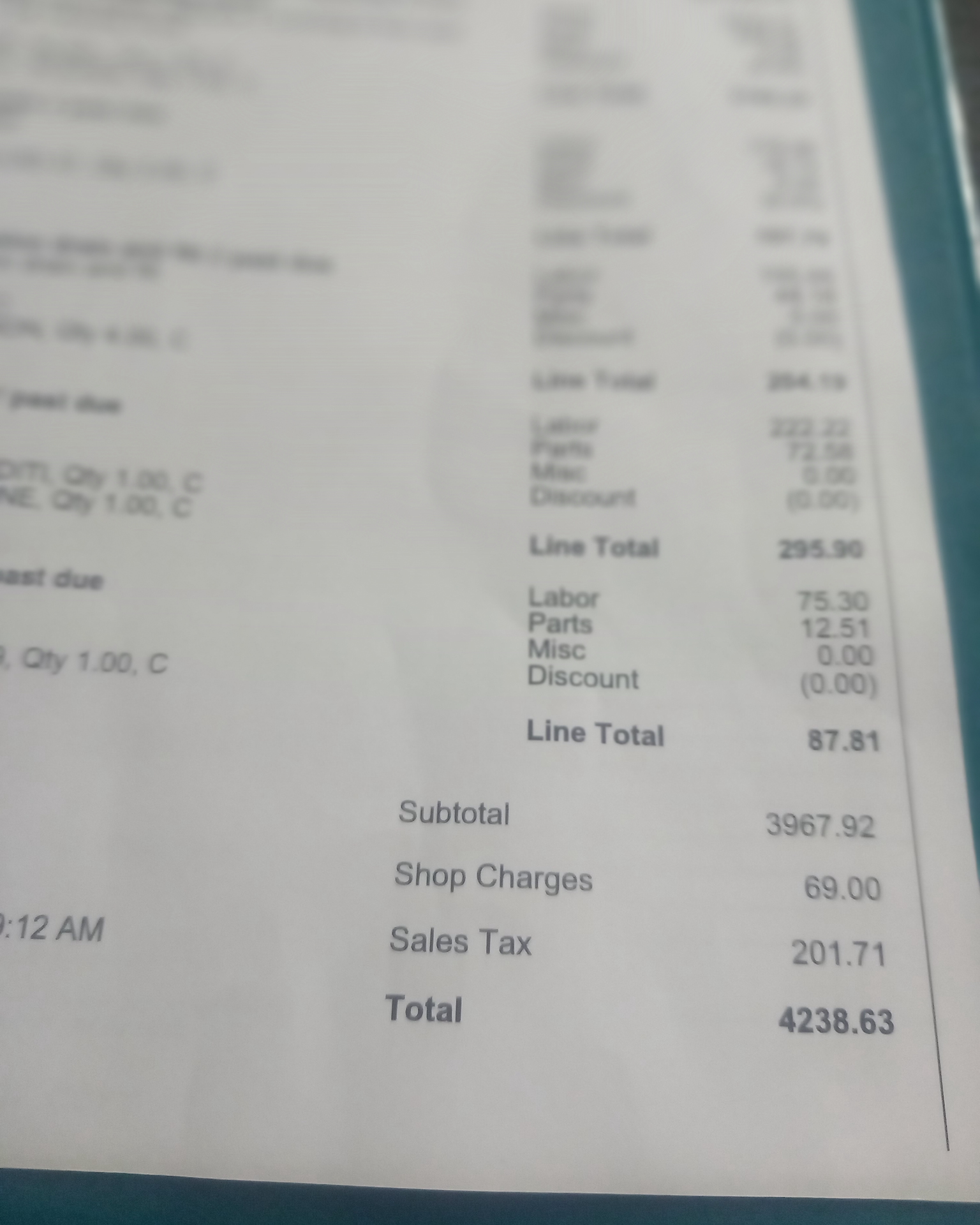
I was surprised at the car dealership when I came for an oil change appointment. Normally, the dealer advises me to change my car oil every six months because my car is old, but I only change it once a year to avoid spending more money.

Every year, I wait for some offers to save some money but this year there were no deals. After checking the price online before booking my appointment, I thought it would cost me around 90 dollars for an oil change and tire pressure check.

However, I was shocked to see that they charged me over 190 dollars. All this extra money came from miscellaneous charges (5% of service cost) and other hidden fees. If they keep their charges so high, nobody will be able to afford their services, and they will go out of business. At the end of my appointment, they recommended some repairs that cost over 4000 dollars. Which is almost a third of the value of my car!

Now, having to use and own a car out of necessity means carrying the extra expenses associated with it. The car not only requires regular maintenance, but it also means I need to pay for insurance, gas, sudden breakdowns, and parking. Currently, having no other reliable option, I must find any savings I can to keep affording this form of transportation. This affects me personally as I am unable to afford some services that my car benefits from or may need, and so I must find other options that fit within my budget.

FUTURE / See · Read

Next Stop – Affordable Transportation

I have lived in Edmonton for a long time. Long enough to see big changes and improvement in the city.

Read their full story

I have lived in Edmonton for a long time. Long enough to see big changes and improvement in the city. For example, from only one LRT system that starts in Century Park and ends in Clareview, to four lines that all end or meet in downtown and start from every side of the city. Because of this, there is no longer a need to use personal vehicles as public transportation is just as fast and reliable as driving my own car.

This change in the transportation system makes my family and I enjoy using public transit and have access to every part of Edmonton. It reminds me of when I used to ride the LRT to travel across the North Saskatchewan River with my family to see the northern parts of the city. Affordability now means no longer having to worry about the price of gas, insurance, oil changes, or even accidents. It means spending more time enjoying nature and being with your loved ones.

No matter the weather, the increase in the number of transit lines with bus stops close by everyone, young or old, allows people of all walks of life to be more connected and to get to where they need to be quicker.

Easily accessible and environmentally friendly transportation makes me feel comfortable and safe. I have peace of mind now that I can ride the bus or train at any time of day without feeling in danger. Having affordable fares and not being worried about parking makes my journey to the city more joyful! Especially since life is not very long so we must enjoy it as much as possible.

Voices Editorial

Is time invaluable?

If lived experience is expertise, paying for people’s time is part of taking that expertise seriously.

An hour at a community meeting can be an hour someone is not working. An evening participating in research can be an evening away from children, caregiving, a second job, delivery work, or simply the very limited time someone has to themselves.

For the Photovoice project, End Poverty Edmonton paid participants the Edmonton living wage of $22.30 an hour for the time they contributed.

Edmonton’s next living-wage calculation is expected in November. The goal is not to watch the number climb: affordability work means changing the conditions underneath it: housing, food, childcare, transportation, utilities, insurance, and who absorbs rising costs.

Because time has value and whose time we value shapes whose voices we hear.
Creator · she/her

Ann

NOW / See · Read · Listen

Cutting Back on Green Onion

Back home in Vietnam, green onion was never something I thought twice about.

Read their full story

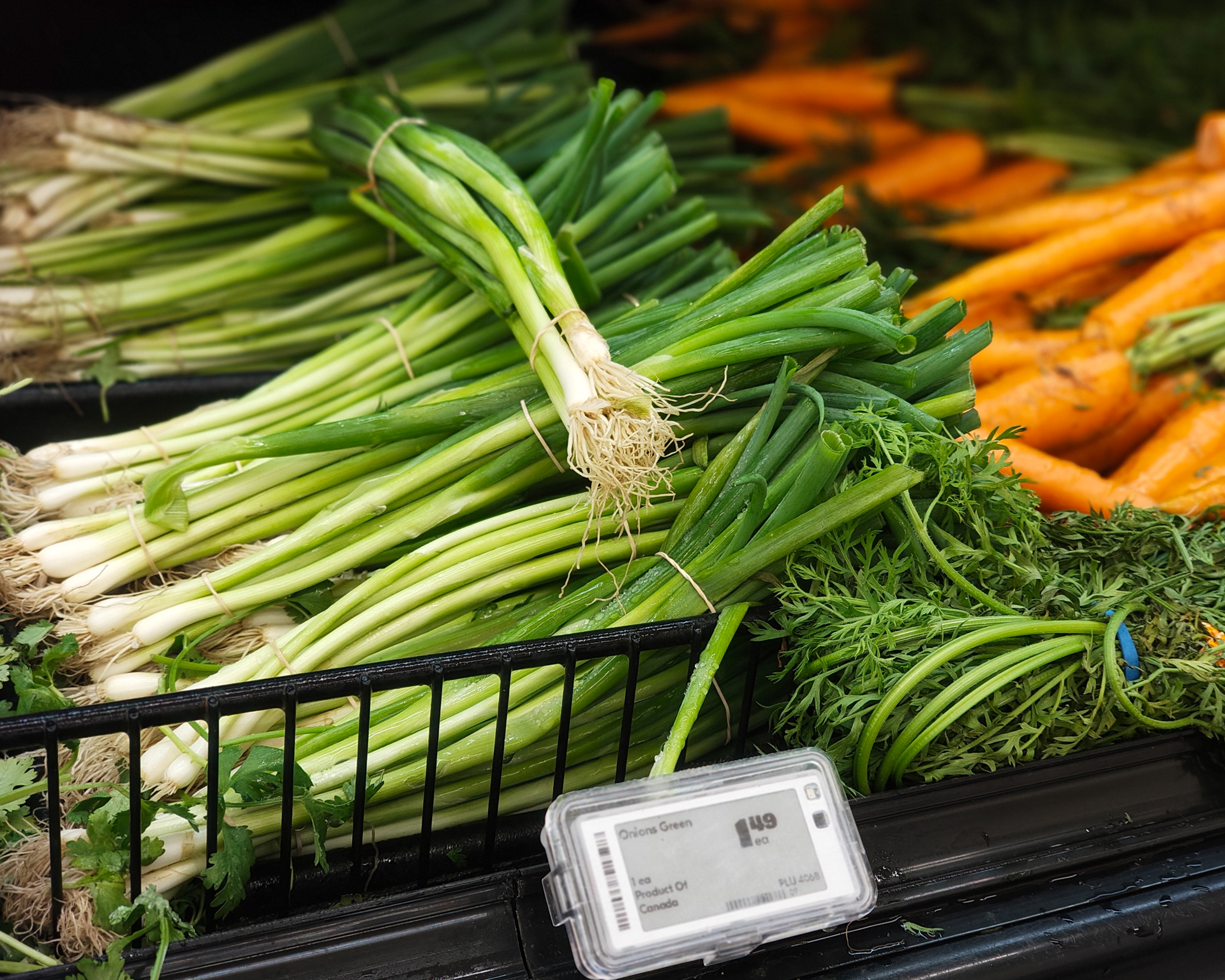
Back home in Vietnam, green onion was never something I thought twice about. It went into every dish, soup, omelet, fried noodles, sauce, even cake. It was the cheapest herb there was, almost given away. At the market, vendors would toss in a handful for free with whatever I bought.

The first time I saw its price here, I was stunned. A few sprigs, the kind I'd get for free back home, cost as much as a kilo or two would cost me there. I remember doing the currency conversion right there in the aisle and feeling too intimidated to put it in my basket. I was new, living off small savings, still looking for that first survival job.

Years later, my income has grown, but that feeling hasn't fully left. The conversion still happens in my head before I decide. So, for years, I just used less onion than before, a small habit that says more about affordability than it should.

Listen / NOWHear Ann tell this story
FUTURE / See · Read · Listen

A Place I Can Finally Call Home. A Key That's Really Mine.

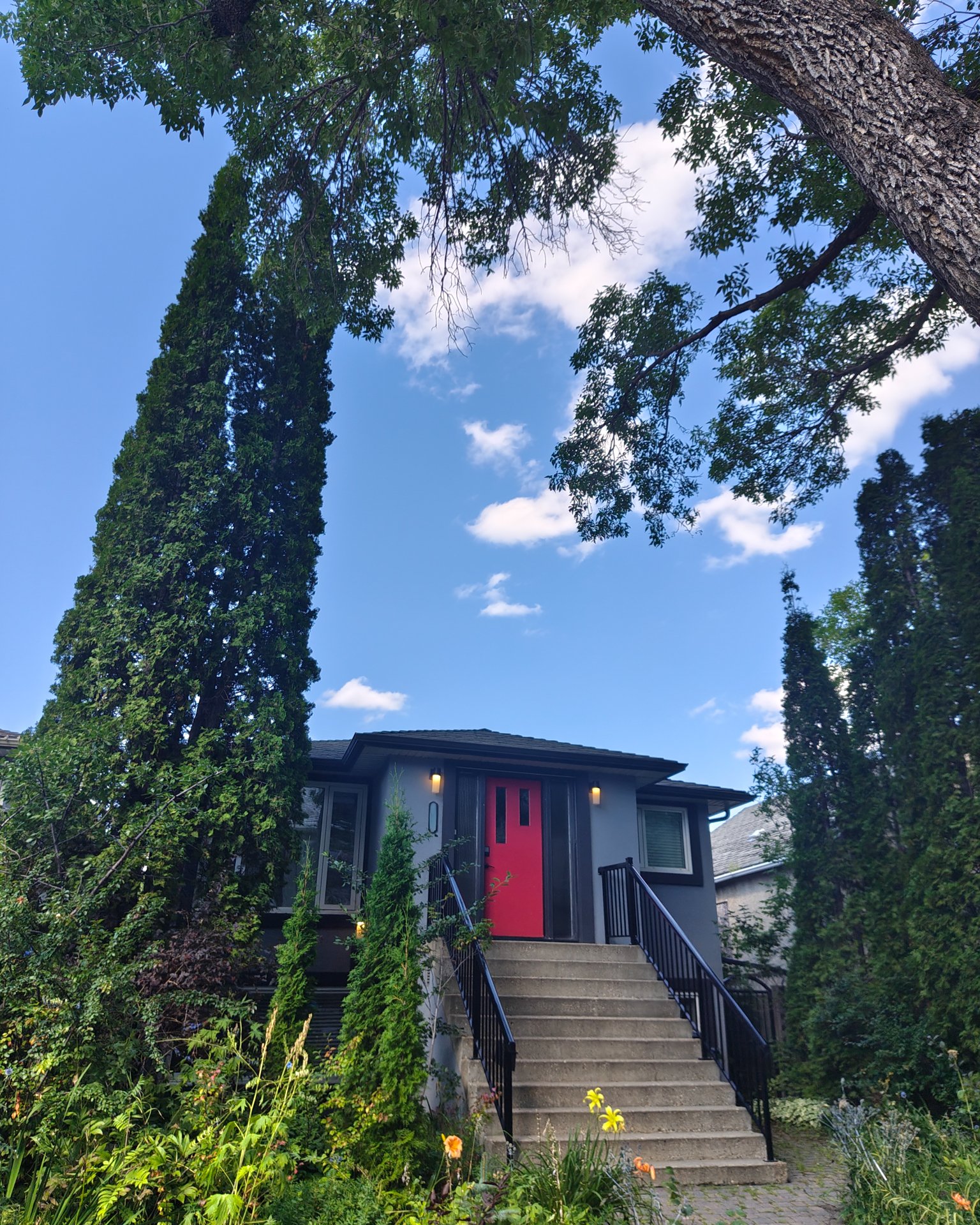
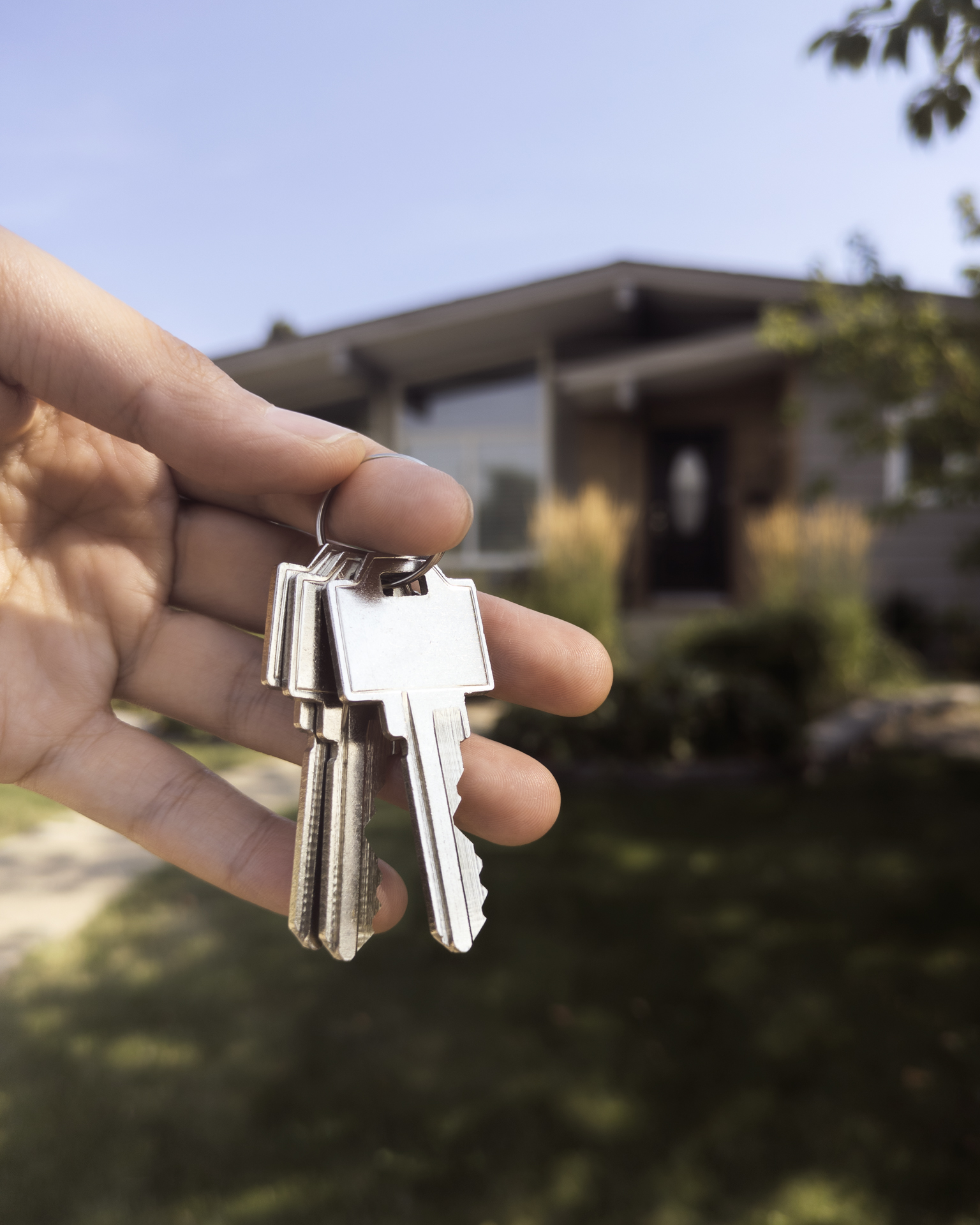
I look at this house, and I remember when it was only a dream I drove past.

Read their full story

I look at this house, and I remember when it was only a dream I drove past. Now, I'm standing in the doorway of a home that's actually mine. Surrounded by trees I planted, it holds more than walls and a roof. It holds the life I once only imagined.

My family gathers around the table, plates passed hand to hand, stories spilling into laughter that fills every corner of the room. The cat curls up by the heater, undisturbed, because this has always been a home where noise means love. Friends and family still visit from near and far, staying long past dinner, adding to twenty years of warmth, joy, and memories.

I remember what it felt like to not have this. The rent that crept up without warning. The boxes I packed more times than I can count, because a landlord decided to sell, or raise the price, or because it was simply time to go again. The nights I lay awake wondering if one unstable paycheque could take everything away. I didn't want a home because I wanted to own more than I needed. I wanted the security of knowing that this life, these dinners, this laughter, this sense of belonging, could not be pulled out from under me.

It took a city that decided affordability wasn't optional, that a stable home shouldn't be a lottery. It took twenty years of change I couldn't have predicted from where I stood in 2026. But here I am, holding a key that's really mine, in a city where people who work, contribute, and build their lives can also afford to put down roots. What choices must we make today so that, by 2046, a stable home is no longer a distant dream, but a possibility within everyone’s reach?

Listen / FUTUREHear Ann tell this story
Creator · he/him

Bisharat

NOW / See · Read · Listen

When Milk Becomes a Luxury

I keep wondering how something so essential became so difficult to afford?

Read their full story

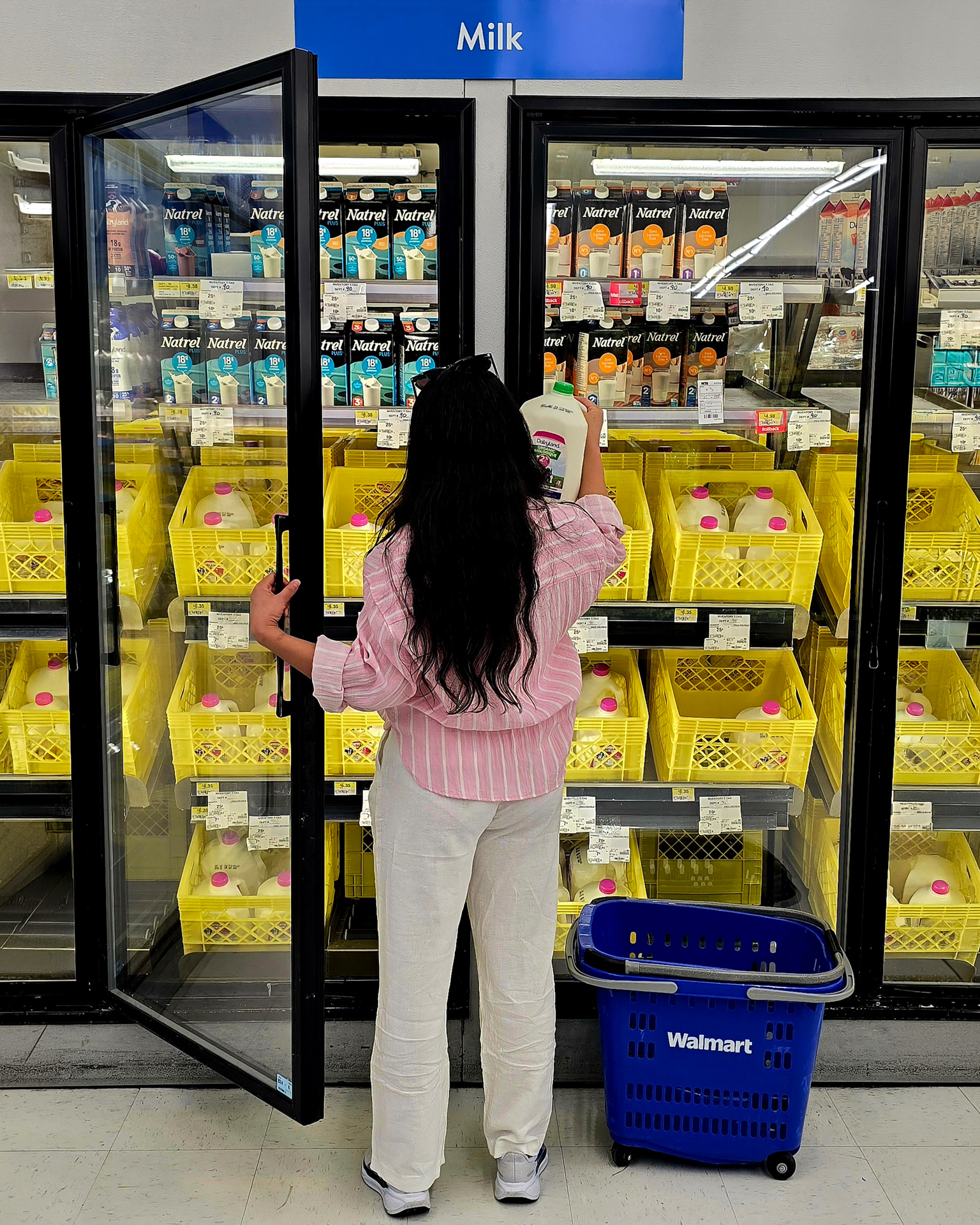
I keep wondering how something so essential became so difficult to afford? In 2022, a four-litre jug of organic milk cost around $9. Today, it costs nearly $12, a drastic increase in just four years.

Watching a basic staple become a luxury leaves me feeling frustrated, anxious and deeply helpless. It isn't just about the money; it’s the quiet erosion of peace of mind.

Having grown up in a farming family, milk was always a staple at our table. Now, I hesitate at the dairy case and often walk away. As a result, organic milk is simply no longer part of our regular shopping list.

Food affordability is more than just price tags and receipts. It's about feeling safe and secure around the dining table, having the freedom to choose what we eat, and having the power to live a healthy life.

Listen / NOWHear Bisharat tell this story
FUTURE / See · Read · Listen

From Growing Food to Growing Justice

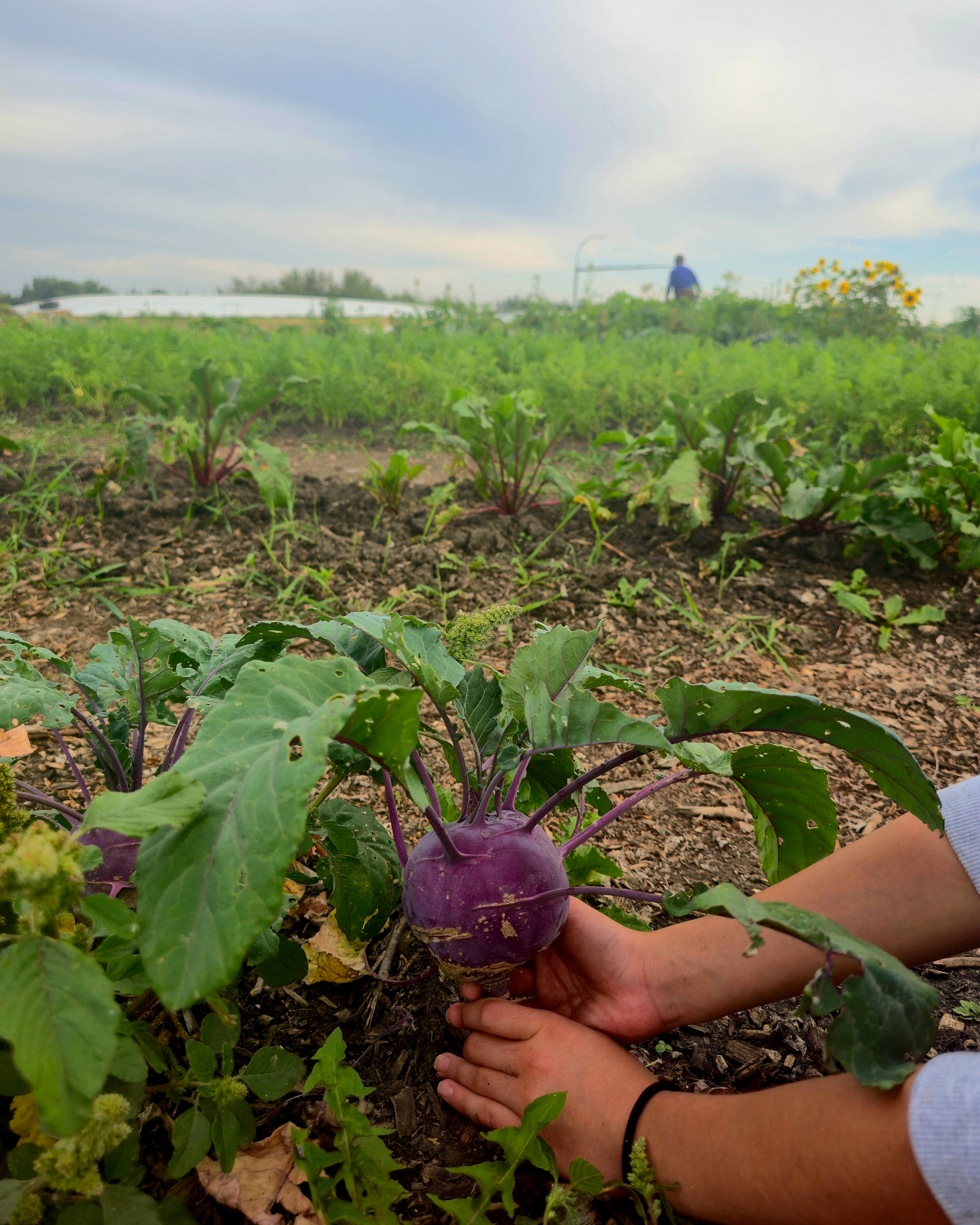
I envision a future where growing food also means growing justice, hope, care, collaboration, and community.

Read their full story

I envision a future where growing food also means growing justice, hope, care, collaboration, and community. By 2046, I hope to see vibrant urban farms flourishing throughout our cities, bringing people together to grow fresh, healthy food and share it with neighbors and local food banks.

For me, urban farming is more than planting seeds - it is about planting empathy, dignity, resiliency and opportunity. I believe that when communities have access to land, guidance, resources, and support, they can nourish not only their families but also build stronger and more connected communities.

I believe healthy, nutritious food should never be a luxury for only a few, but rather a basic right for everyone. Through compassion, collective efforts, solidarity, and shared responsibility, I believe we can create a future where everyone could grow, share, and thrive.

Listen / FUTUREHear Bisharat tell this story
Creator · she/her

Ellen

NOW / See · Read

It’s 11:17 p.m., My Golden Hours

This is the only quiet time I get after both kids finally fall asleep.

Read their full story

This is the only quiet time I get after both kids finally fall asleep. I sit in this small corner of our home and face the everyday reality of affordability: bills, daily expenses, school assignments, and planning for whatever comes next. I’m a mother of two, a student, and I also work part-time. I carry joy and exhaustion at the same time.

Money shapes so many of my choices. Housing, groceries, childcare, school fees, everything adds up. Every receipt means something. I want to give my children more, like registering for a music class, buying an ice-cream at an event she’s been longing for, but I often have to think about it, postpone it, or let go. Sometimes I explain why, knowing she’ll be upset for a little while. This is the cost of living: constantly adjusting, constantly stretching, constantly hoping tomorrow feels a little easier.

But affordability isn’t just about money. There’s another cost people don’t always see: my time. My hours are split between work, school, and caring for my kids. I measure time in naps, meals, deadlines, and the few quiet moments I get after everyone is asleep. Even when the house is still, my mind keeps going.

The toys, drawings, papers, and schoolwork on this table tell the story better than I can. My kids may be asleep, but motherhood never clocks out. Their little world sits beside my responsibilities, reminding me why I keep going.

This photo holds both truths, the cost of living and the cost of time. Between surviving today and dreaming about tomorrow, I’m building a life for the people I love.

FUTURE / See · Read

One Day I Imagine

One day I imagine standing on a quiet lawn, watching my child walk toward their first home with a key in their hand.

Read their full story

One day I imagine standing on a quiet lawn, watching my child walk toward their first home with a key in their hand. The sunlight will fall gently across their face, and I will see the same determination they had since they were small. They’ll pause at the door, take a breath, and look back at me with a smile that says they’re ready, ready for independence, ready for stability, ready for a life they chose without fear of financial burden.

I imagine the moment they turn the key, hearing the soft click of a door opening into a future filled with possibility. Inside, there will be space for their dreams: a desk for studying, a kitchen for late-night snacks, a blanket for warmth, and a room where they can rest, sleep without worry. Before they step inside, they turn back to me again with joy and happiness. In that second, my heart feels loose, my hands are holding toward my mouth, and my tears come with a peaceful smile.

I imagine a day when I no longer carry their financial stress. A day when I can breathe easily, knowing they can stand on their own. I picture myself sitting in a quiet place, maybe with a warm cup of tea, my eyeglasses sitting on top of a book that I enjoy reading, and a funny TV show playing softly in the background. In that moment, I feel calm because my children are safe, secure, and building their own lives.

These keys are more than metal, it is the symbol of a day I imagine often, the day my child opens the door to their own life, and the day I can rest, knowing they are truly okay.

Creator · she/her

Judith

NOW / See · Read · Listen

Burnt-Out

Forty years ago, I was woken up on my birthday in a group home, given two garbage bags, and dropped off on the streets.

Read their full story

Forty years ago, I was woken up on my birthday in a group home, given two garbage bags, and dropped off on the streets. I was aging out of care. It saddens me that, to this day, our government still practices the same policy.

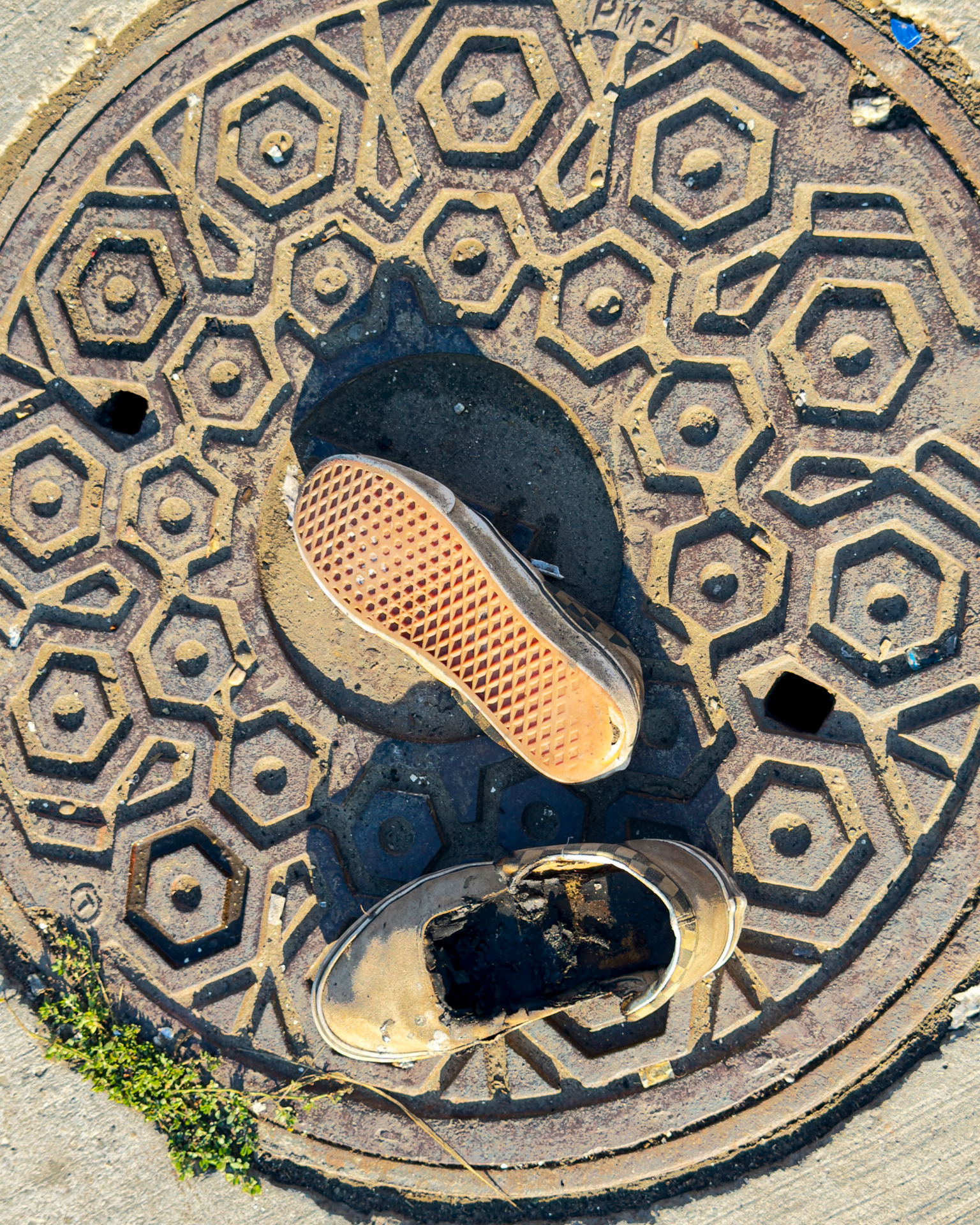
This burn-out shoe belonged to a young man aging out of care. The transition into adulthood should come with support, stability, and hope, one would think. Instead, he was handed two garbage bags for his belongings and dropped off downtown Edmonton, onto the streets.

This photo represents, for me, the state of affairs we find ourselves in today when a society does not think about affordability for all its citizens. It’s a story about the lack of affordable living, and how the consequences can become houselessness and addiction. When our brothers and sisters are not afforded a home, they sleep in doorways, tents, encampments, shelters, and sometimes on cold concrete. In the wee hours of the morning, a brother in psychosis takes off a shoe and starts a fire to keep warm.

That burnt-out shoe, for me, is a symbol of more than houselessness. It is a symbol of a broken, burnt-out society steeped in an affordability crisis, a housing crisis, and a drug-poisoning crisis. It’s a burnt-out system that is no longer serving the needs of the most vulnerable, and soon, it will come for you too if left unchecked.

But there is hope. Something that is man-made can, in my opinion, be unmade by man. It’s never too late to realize there is a better way. For me, the only dignified solution is an affordable, Housing First model.

Listen / NOWHear Judith tell this story
FUTURE / See · Read · Listen

A Big Pot of Beef Vegetable Barley Soup

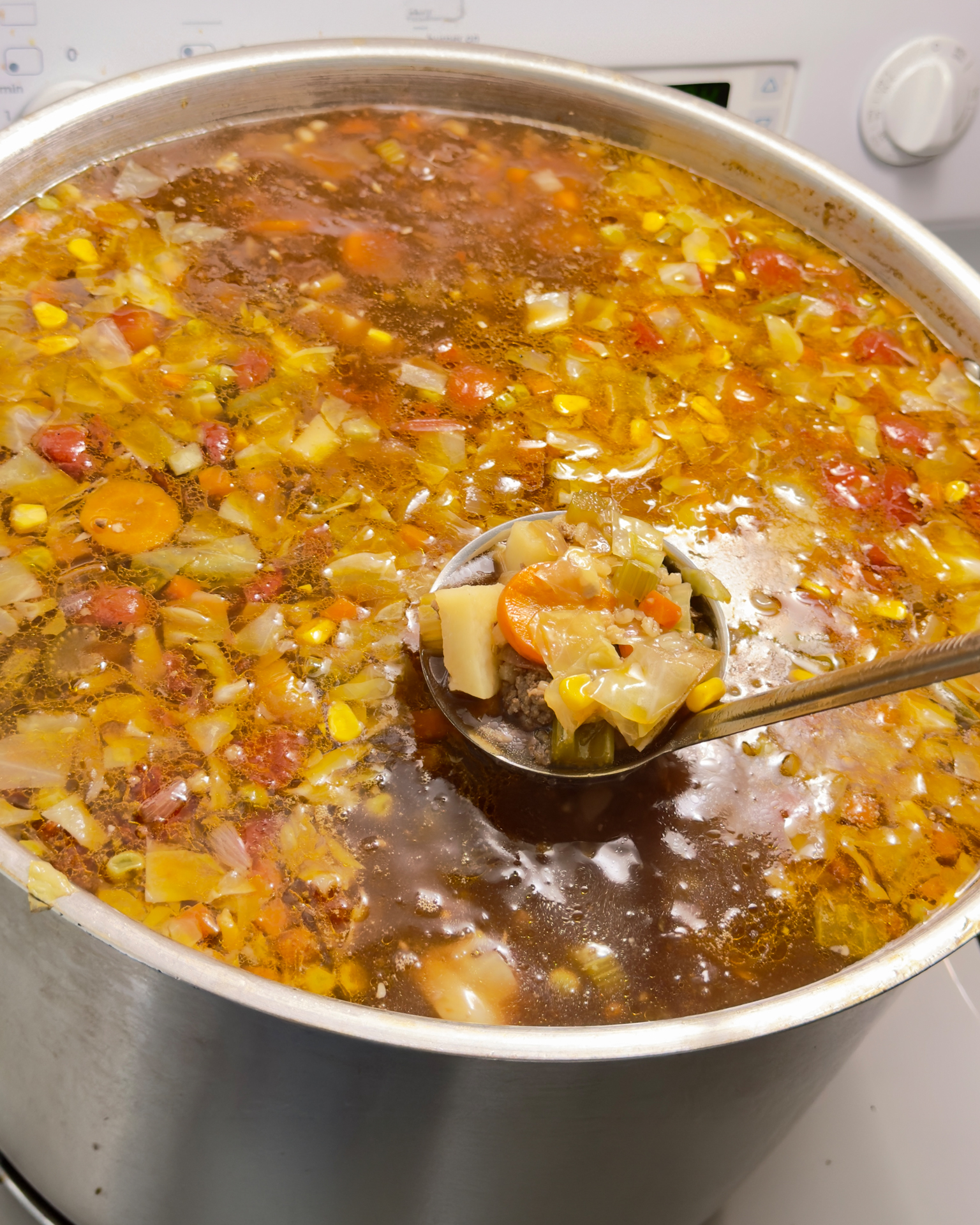
Every Sunday since COVID I make this big pot of beef vegetable barley soup to share with our brothers and sisters living rough on the streets of Edmonton, AB.

Read their full story

Every Sunday since COVID I make this big pot of beef vegetable barley soup to share with our brothers and sisters living rough on the streets of Edmonton, AB. I put a lot of love, care, and attention into it, as my Granny did in her traditional camp in the Northwest Territories.

I learned my Dene Granny lived her entire life in the bush. Her camp was known and sought out by hunters, trappers, traders, and travelers passing through the North. Anyone who arrived at her camp could count on shelter, a good meal, good company, and plenty of laughter. That is the legacy she left behind.

This soup is my hope for the future. This soup is more than food. It is love. It is a memory. It is a tradition. It is resistance. It is a reclamation. In an effort to “kill the Indian in the child” Canada has stolen many things from me as a residential school survivor, a sixty scoop. The one thing Canada could never take from me, from us as First Nations people is our ancestral rights, our connection to our lands, and the knowledge carried in our blood memory.

This big pot of beef, vegetable, and barley soup may look simple to some, but to me, it represents so much more. It is my way of reclaiming what was taken from me. It is my way of honouring my ancestors and carrying forward their traditions in a good way. And now, every time I make this soup, I feel like I am carrying a little piece of my Granny forward. I am keeping her traditions alive. I am honouring where I come from, who I am, and the people who came before me and the future generations to come.

Listen / FUTUREHear Judith tell this story
Creator · she/her

Sarah

NOW / See · Read · Listen

Free Life

Something I wish other people would understand about affordability and my daily life is that it isn’t easy for a person like myself to be spending money on stuff that I can’t afford.

Read their full story

Something I wish other people would understand about affordability and my daily life is that it isn’t easy for a person like myself to be spending money on stuff that I can’t afford. I normally get up around 10:00 am to take meds, after that I go and use the washroom and feed my cat Spooky. A space that I spend a lot of time in is my apartment and with my cat.

I enjoy sitting out on my balcony watching others from up high. The stuff that feels stressful and exhausting to me is when I have to do my household chores. I can only do a few things at a time without feeling tired or worn down.

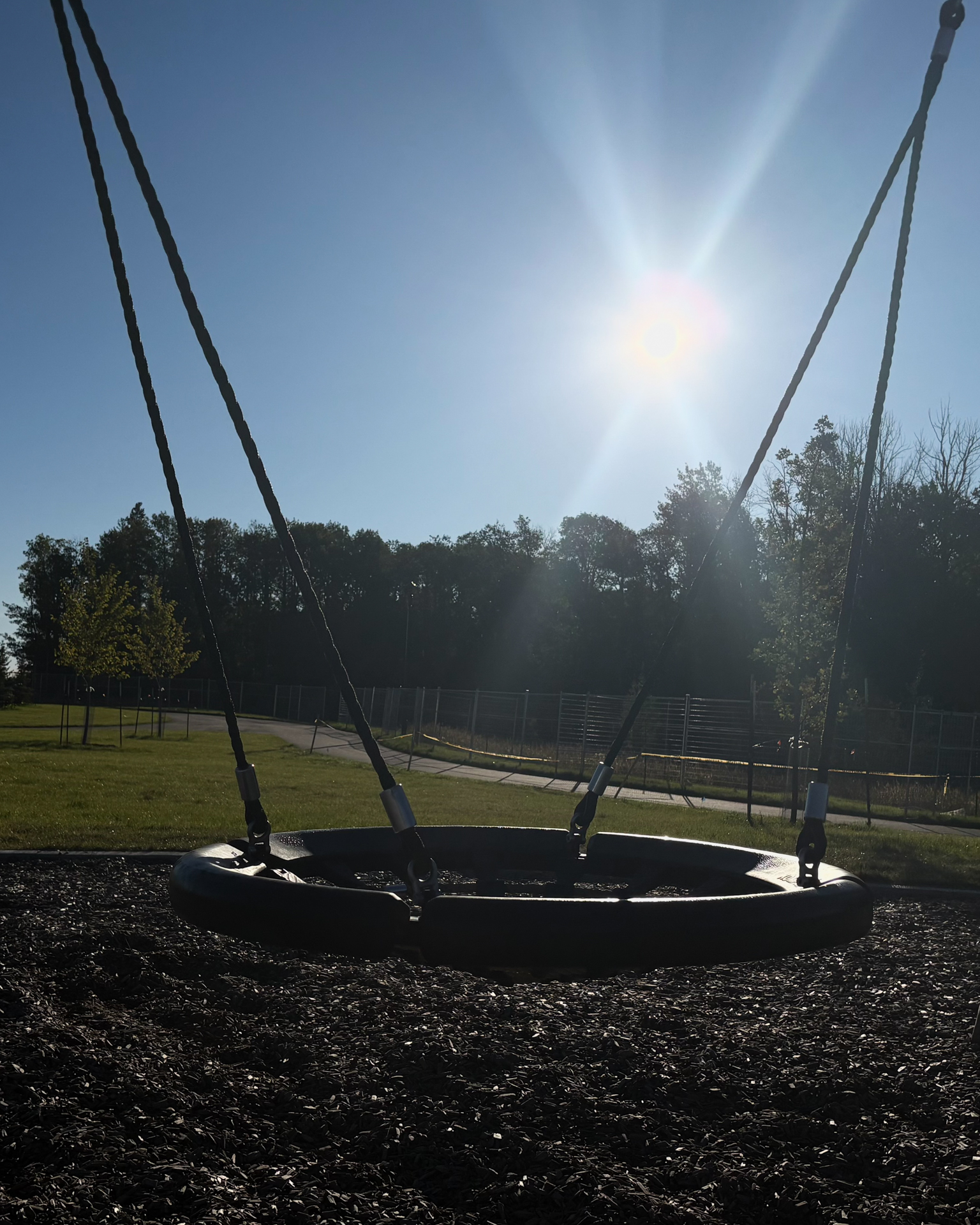
Sometimes I like to go to the park. I like going there to reflect on the stressful day I had. I go on the swing to calm myself down. I will swing for about 2 to 3 hours at a time. Going to places like the park doesn't have to cost anything to relax.

Listen / NOWHear Sarah tell this story
FUTURE / See · Read · Listen

The Future of Transportation

I want to live in a future where you don’t have to pay for gas to get around.

Read their full story

I want to live in a future where you don’t have to pay for gas to get around.

It can take a very long time to get from one place to another. I have to book a DATS bus, you need to book 2 days in advance, plus you have to wait for DATS, which can be an extra half an hour or more. Once you get in the DATS bus you could be riding around for 30-90 mins. That’s even more time that I’m wasting before I get to my place of where I want to go.

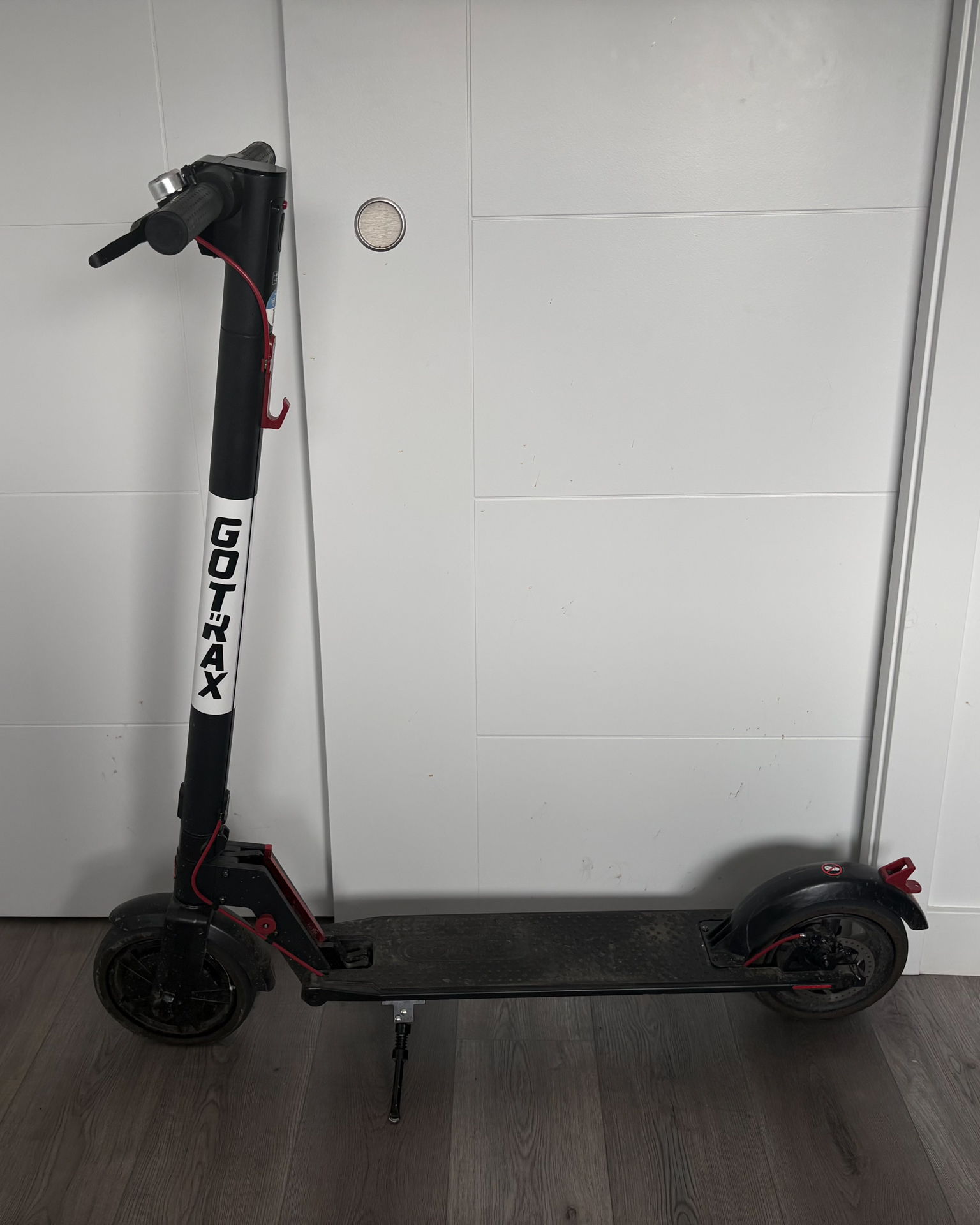
I want to see a future where you don’t have to wait for someone to pick you up or ride the DATS bus. Perhaps where all the scooters were FREE for everyone to ride.

I want a future where I am able to just get up, go and get my stuff done and be able to just go back home. Transportation and getting my time back gives me independence.

Listen / FUTUREHear Sarah tell this story
Keep the conversation going

Contribute in any amount.

If you’re able and want to help power future events and programming like this one, you can contribute any amount. No pressure, no minimum.

Contribute via Stripe ↗

End Poverty Edmonton is a non-profit. A tax receipt will not be issued for contributions, however it will be put to work directly in Edmonton.